Europe Launches Landmark Partnership to Shape the Future of Virtual Worlds
European Commission and Virtual Worlds Association commit €400M to build open, trusted, and sustainable digital ecosystems
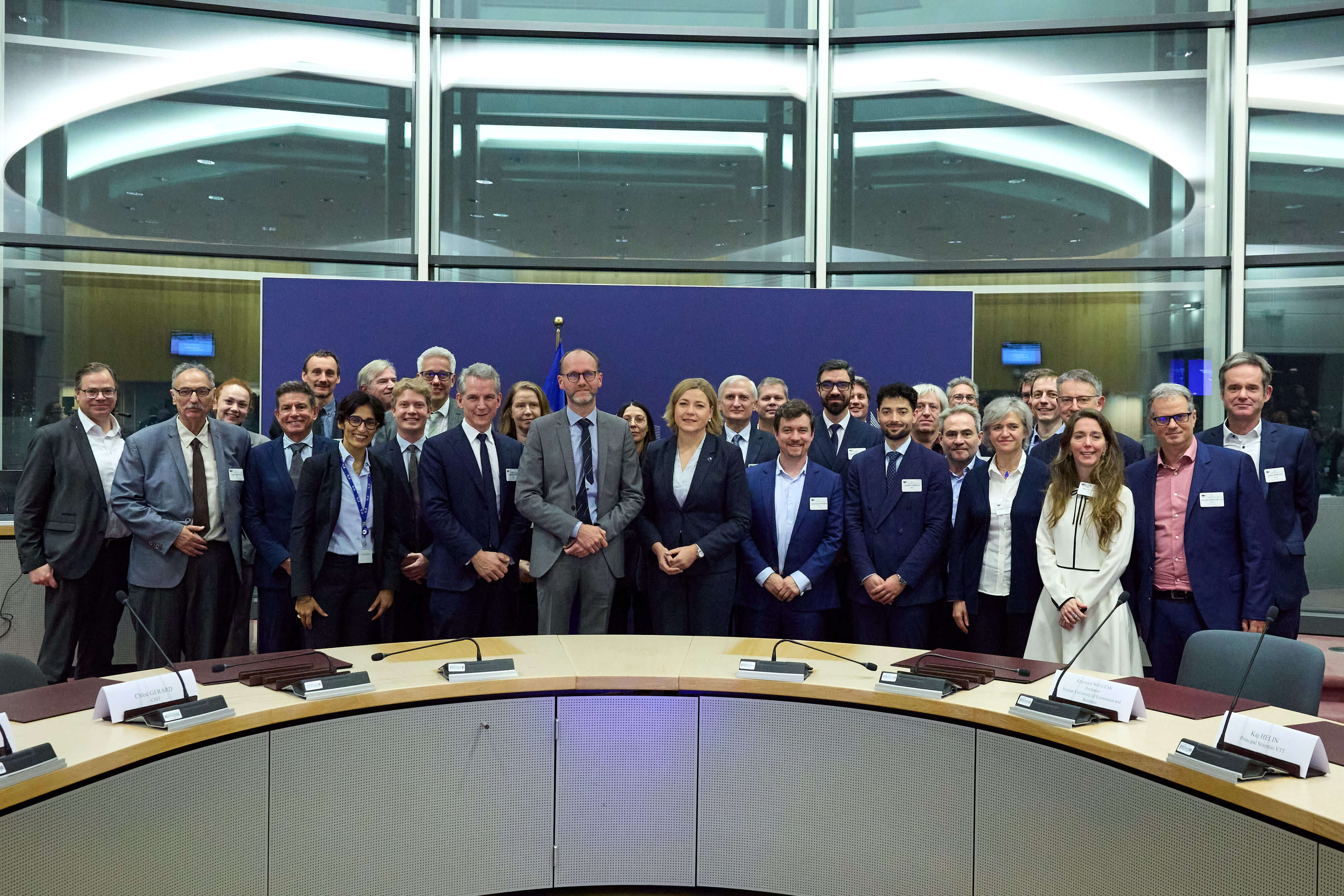
Brussels, 10 December 2025 – The European Commission and the Virtual Worlds Association (VWA) have signed a landmark Memorandum of Understanding under Horizon Europe, creating a co-programmed partnership that will define Europe’s role in the next generation of digital environments. This initiative positions virtual worlds as essential infrastructure for industry, education, culture, and public services—aligned with European values of openness, trust, and sustainability.
Why it matters:
Virtual worlds are no longer futuristic concepts—they serve as practical tools for solving real-world challenges. From accelerating industrial design cycles and improving safety to enabling large-scale reskilling and collaborative decision-making, immersive technologies are transforming how Europe works, learns, and innovates. The transformative potential of Virtual Worlds for Europe is reflected in the estimated growth in global market share, which is forecast to rise from €27 billion in 2022 to over €800 billion by 2030.
A €400M Commitment to Europe’s Digital Sovereignty
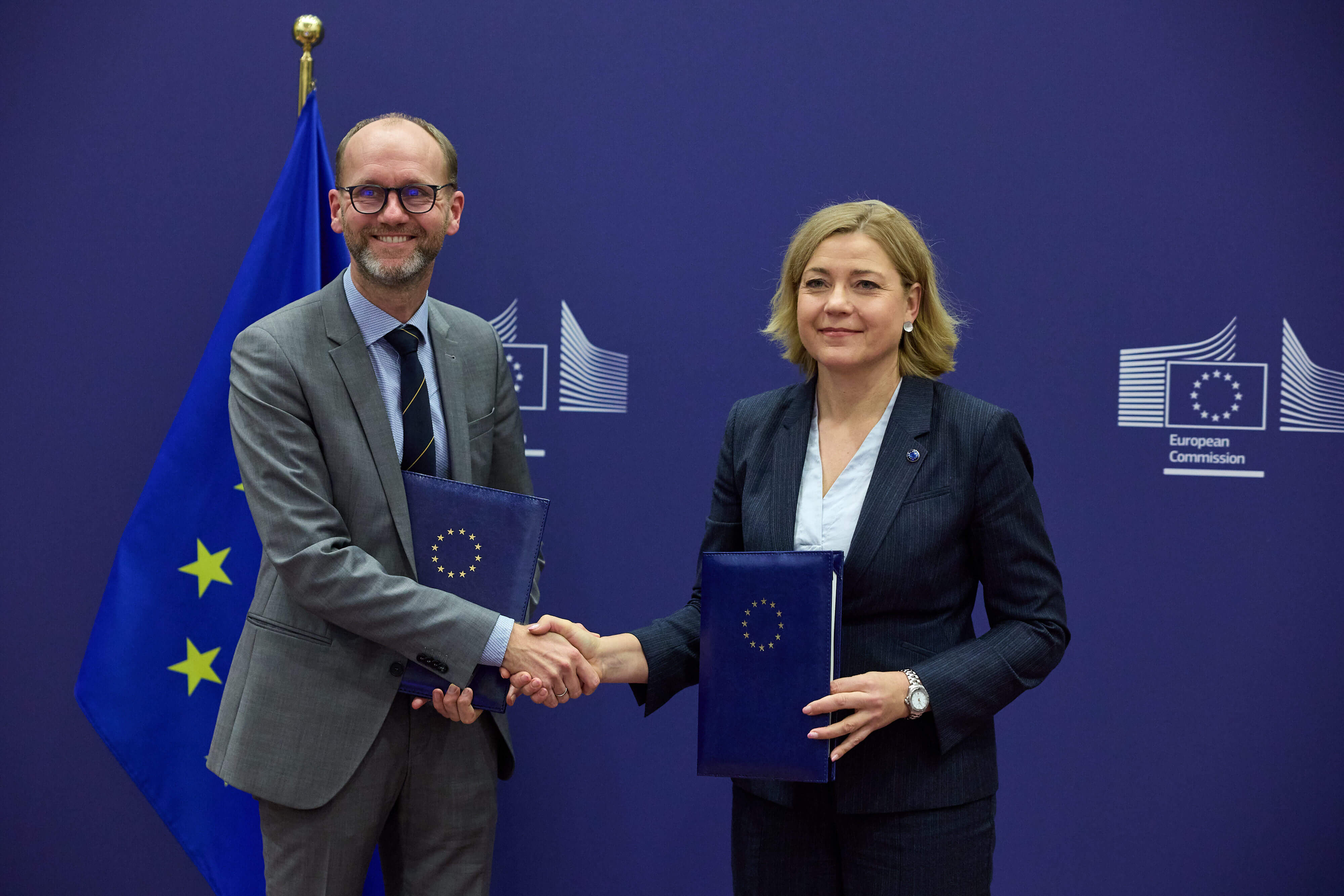
Under the agreement, signed by Executive Vice President of the European Commission Henna Virkkunen and the President of the Virtual Worlds Association Matthieu Worm, the EC plans to allocate up to €200 million within the current Multiannual Financial Framework to research and innovation activities. VWA members will match this investment with at least €200 million between 2025 and 2030, ensuring strong public-private collaboration to scale virtual worlds across sectors.
From Vision to Action
The VWA was founded in June 2025 by 18 organizations from eight countries to prepare Europe’s Strategic Research and Innovation Agenda (SRIA) for virtual worlds. Today’s formalization marks a decisive step toward turning prototypes into large-scale deployments. The partnership will focus on interoperability, open standards, and human-centric design to ensure Europe leads in ethical and sustainable digital ecosystems.
Live Demonstrations and Keynotes Highlight Europe’s Ambition
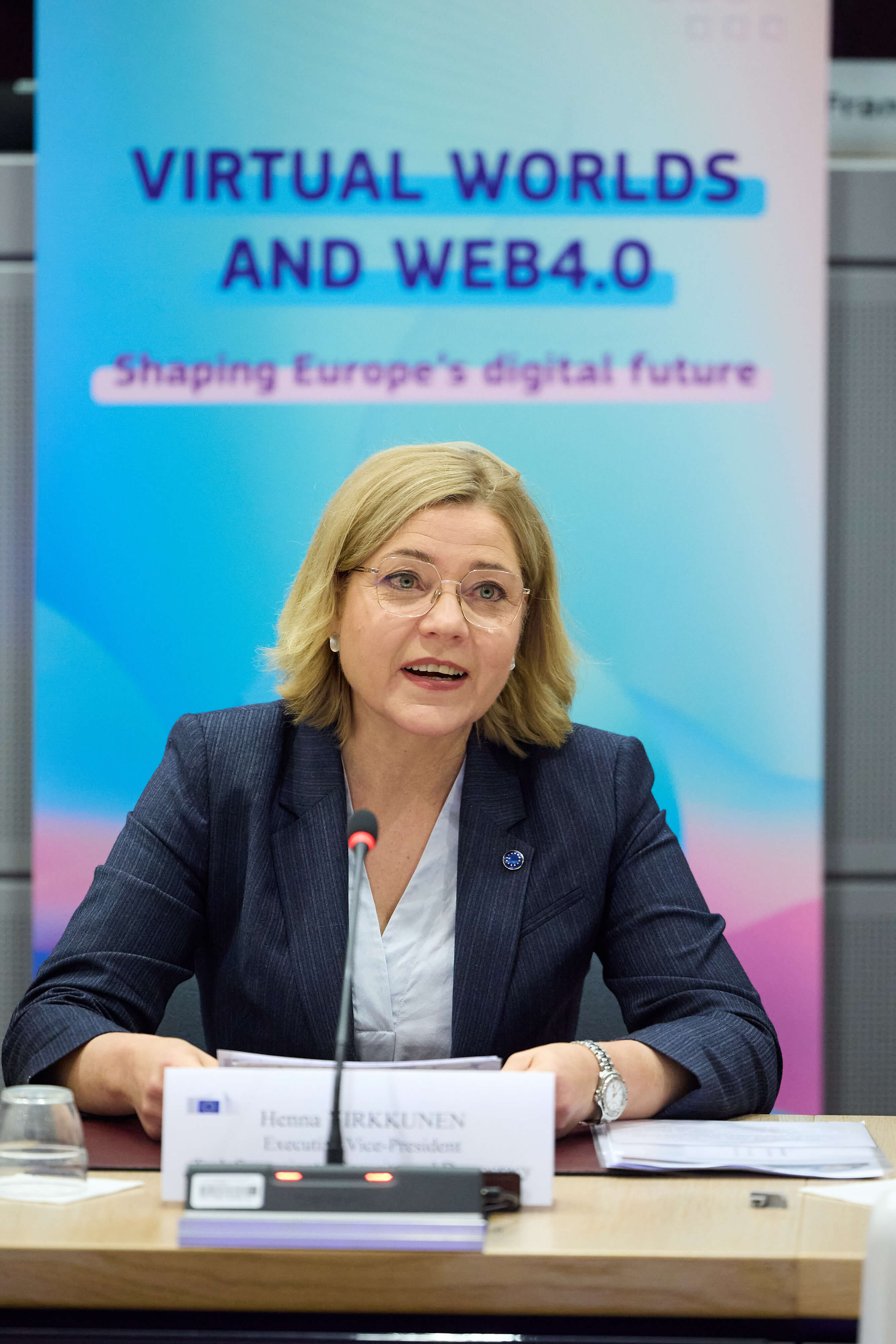
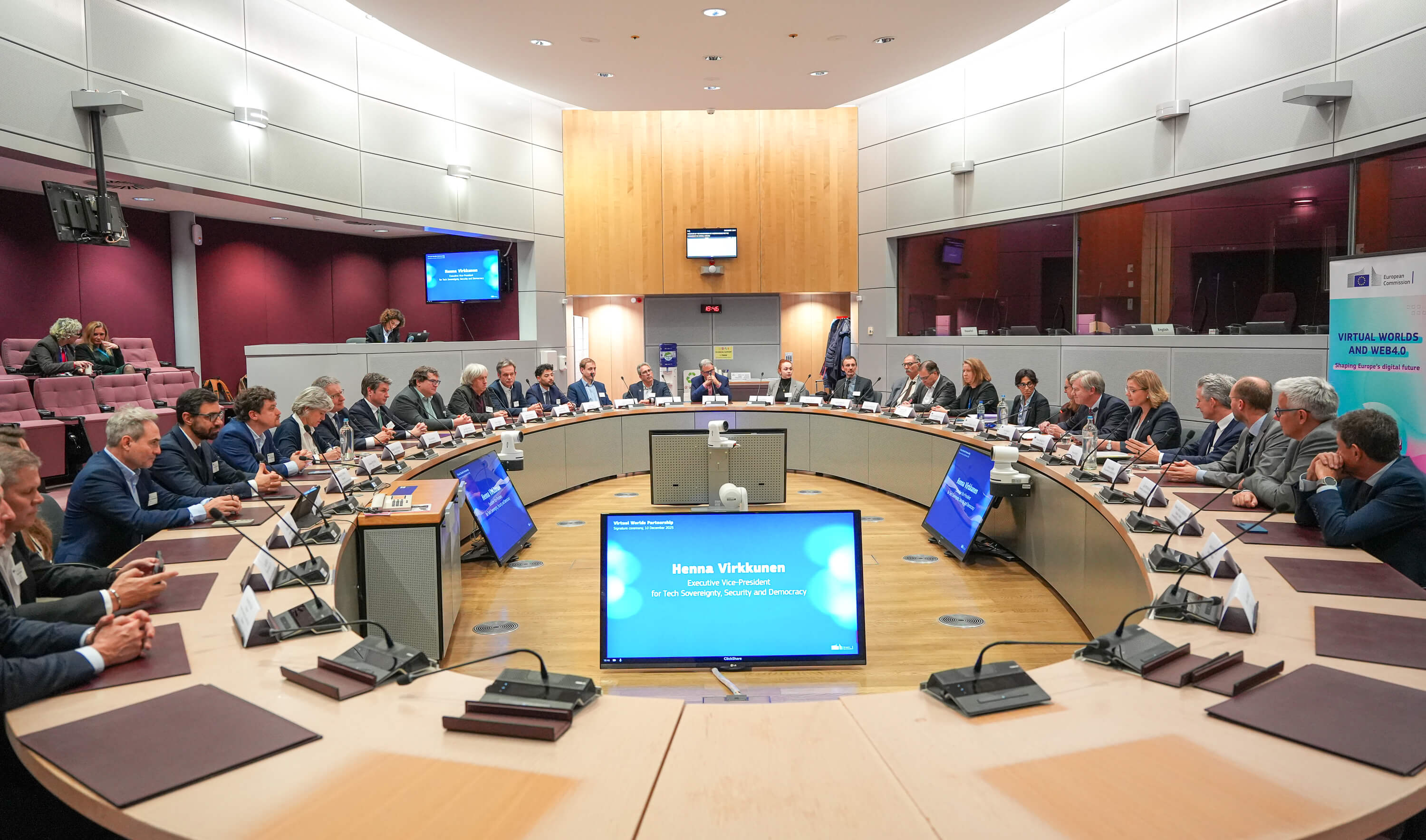
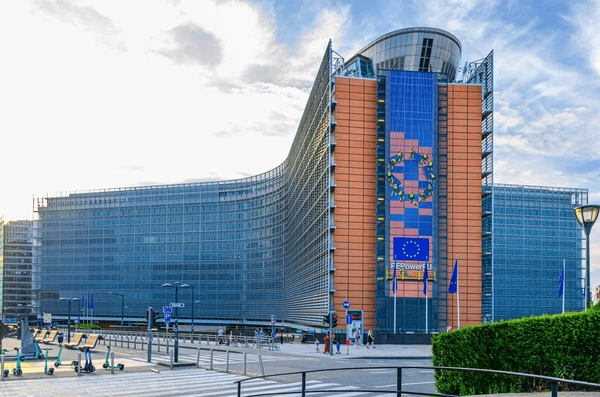
The signing ceremony at the Berlaymont Building was both symbolic and forward-looking, bringing together policymakers, industry leaders, and researchers to mark a decisive step for Europe’s digital future. Henna Virkkunen, EVP of the European Commission, emphasized the strategic importance of virtual worlds for Europe’s competitiveness and sovereignty, calling the partnership instrumental in “helping develop and promote a thriving industrial and end-user ecosystem in the EU, covering all the aspects of the virtual worlds value chain.”
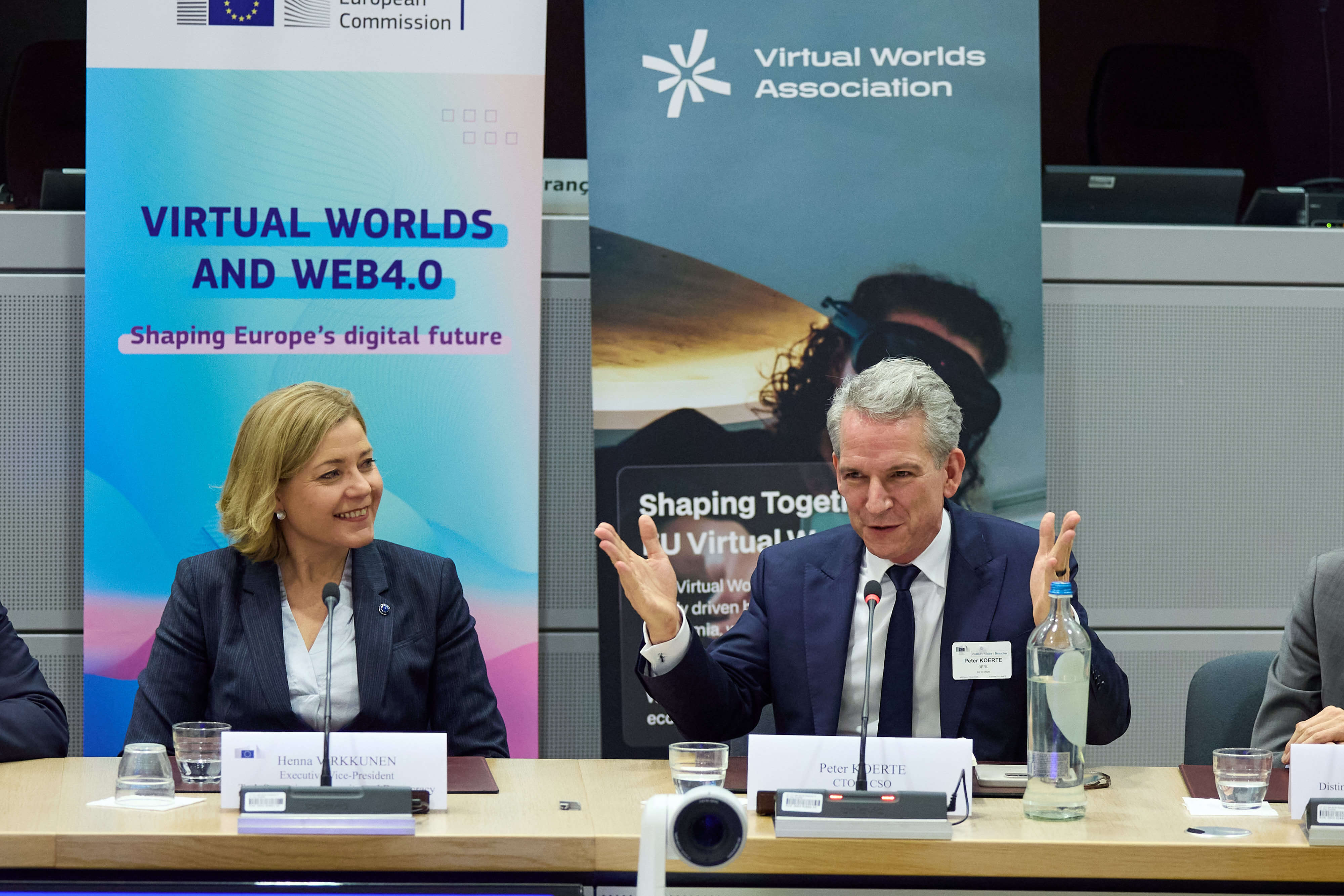
Dr. Peter Koerte, Managing Board Member, Chief Technology Officer and Chief Strategy Officer at Siemens AG, highlighted the great potential virtual worlds hold for industry: “Virtual worlds are already transforming how we build and operate industry, infrastructure, and transportation helping systems learn, predict, and adapt in real time. By embracing technologies like digital twins and industrial AI, we can make Europe smarter, faster, and more resilient - and unlock the next wave of industrial leadership.”
Professor Adeline Nazarenko, Director of CNRS Informatics, representing the academic and research domain, stressed “the importance to build on Europe’s strong academic research in this field in a coordinated manner to ensure maximum impact.”
Johannes Peeters, CEO of VoxelSensors, spoke for the SMEs. As innovation goes fast, he stated, “Europe’s commitment is a vital accelerator to ensure the right conditions for agile entrepreneurs to move from lab prototypes to market-ready solutions. For VoxelSensors, and other SMEs, this means streamlined access to funding and infrastructure to scale rapidly and leverage the research results from the Horizon programs.”
To illustrate this shared vision, a live demonstration session showcased the maturity and impact of European expertise:
- Secure Currency: The Polytechnic University of Valencia demonstrated how neurodesign and XR can make Euro banknotes harder to counterfeit while remaining user-friendly.
- Safe Energy Operations: Poznań University of Economics and Business presented immersive training for electrical grid technicians, reducing accidents and outages.
- Immersive education: Royale Athénée de Nivelles showed their use of an Augmented Reality Tshirt as a learning material to teach anatomy. The Tshirt uses Czech app Curiscope to overlay an interactive 3D representation of the digestive system.
- Cultural performance: Mahler Chamber Orchestra offered a human-sized Mixed Reality performance of Mozart’s string quintet recorded at St. Elisabeth-Kirche, Berlin in 2020.
Laszlo Arnould, VWA vice-president in charge of leading this demonstration insists: “It is through meaningful content that we will make end users understand and buy into the technology. Europe is a land of exceptional creative talent, still envied by others. Today, we are giving ourselves the means to give them a chance to succeed here.”
Quote from VWA President, Matthieu Worm
“Virtual worlds are not just entertainment—they are powerful tools to tackle Europe’s most pressing challenges. By fostering cross-disciplinary collaboration, we can drive unprecedented gains in safety, sustainability, and competitiveness.”
Open for Membership
The VWA is now welcoming new members, including SMEs, large industry players, universities, and research organizations. Together, they will co-create applications that deliver tangible benefits for citizens, businesses, and policymakers.
About the Virtual Worlds Association
The VWA is a European non-profit association dedicated to accelerating the development and adoption of virtual worlds. Its mission: foster cutting-edge research, promote interoperability, and enable ethical, human-centric immersive technologies.
http://www.virtualworldsassociation.eu
Press Contact: Julien Castet – communications@virtualworldsassociation.eu | +33 5 57 54 17 00
Press Headline & Subhead Options
Option 1: Europe Commits €400M to Virtual Worlds Revolution
New partnership sets stage for open, trusted, and sustainable digital ecosystems
Option 2: Virtual Worlds Become Europe’s Next Digital Infrastructure
European Commission and VWA unite to drive innovation and sovereignty
Option 3: From Vision to Reality: Europe Invests Big in Virtual Worlds
€400M partnership to transform industry, education, and public services
Media Summary (5 Key Points)
- Historic Partnership: European Commission and VWA sign MoU under Horizon Europe.
- Massive Investment: €400M combined commitment to research and innovation.
- Strategic Goal: Build open, interoperable, and human-centric virtual worlds.
- Real Impact: Demonstrations show applications in currency security, energy safety, and urban planning.
- Call to Action: VWA opens membership to industry, SMEs, and academia.
Key Facts Box
- Date: 10 December 2025
- Location: Brussels, Berlaymont Building
- Funding: €200M EU + €200M VWA members (2025–2030)
- Founding Members: 18 organizations from 8 countries
- Focus Areas: Industry, healthcare, security, media, education, culture, public services